
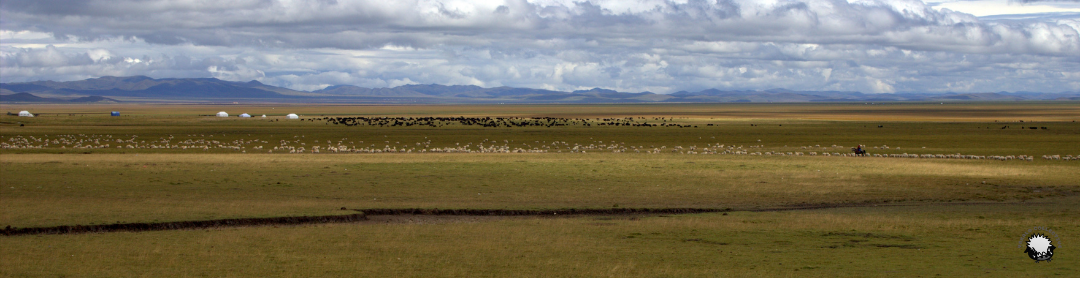
The sustainability and resilience of human societies and their food systems depend on continuous adaptation and access to the resources that can help streamline their recovery from disturbance.
1. Continuous Adaptation
Food systems need to be sustainable in a changing environmental. Nothing stays the same forever; therefore, to keep food systems sustainable, people must maintain the systems’ ability to adapt. Traditionally–in ways that we hope to learn from–the mechanisms by which sustainable food systems adapted to a changing context were founded in societal patterns of interaction with the environment. These patterns comprised culturally specific rituals in three categories, which complemented one another:
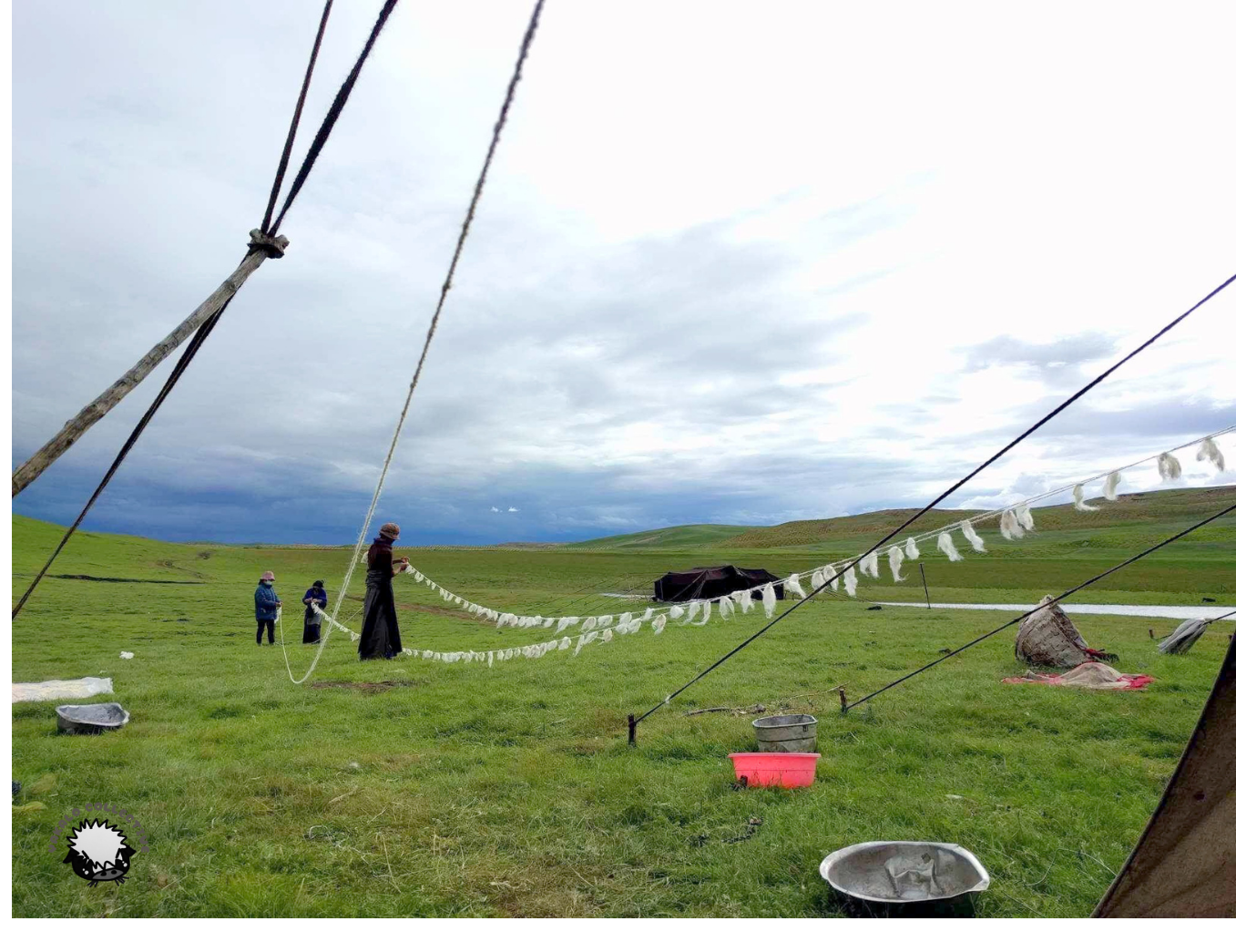
i) Responding to Ecological Cues
As the environment, plants, and animals change in predictable ways with the seasons of the year, people make use of aged resources and usher in new ones in culturally specific ways.
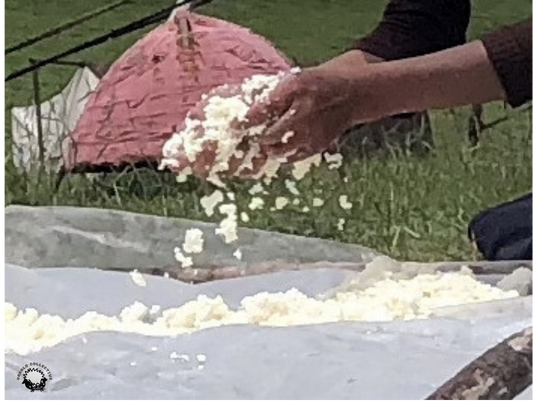
ii) Responding to Social Cues
As people choose their paths through the world, they often prioritize social engagements and closeness to one another. The opportunities created by chance meetups with well-liked acquaintances allow for choice resources to be moved from one resource pool to another, increasing favorable recombination of genetics, knowledge, and skills.


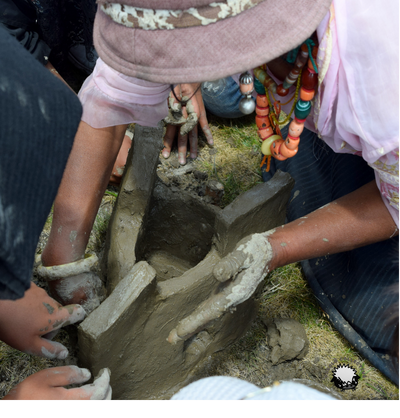
iii) Responding to Sentimental Cues
People respond to sentiment by conserving individual resources that they greatly value–the knowledge, habits, plants, animals, and relationships that they choose to retain for future generations.

In combination, cultural responses to each of these types of cues make a food system surprisingly robust. As ecological cues drive rapid turnover of resources, sentimental cues bring people to preserve the best resources, and social cues prompt the usage of existing resources in different combinations. These forces cause the food system to continually adapt.
2. Accessible Long-Term Resources
Communities manage sustainable food systems by participating in complex, unpredictable patterns of responding to cues. Their observations of, recognition of, and responsiveness to those cues derive from spoken languages that evolved in tandem with their food systems. At Yakalo Collective, we understand that supporting linguistic diversity is essential to supporting sustainable food systems at many scales, since spoken languages serve as accessible long-term resources instructing people in how to keep cultural-ecological systems involving people, land, and animals adaptive, sustainable, and resilient.

Leave a Reply