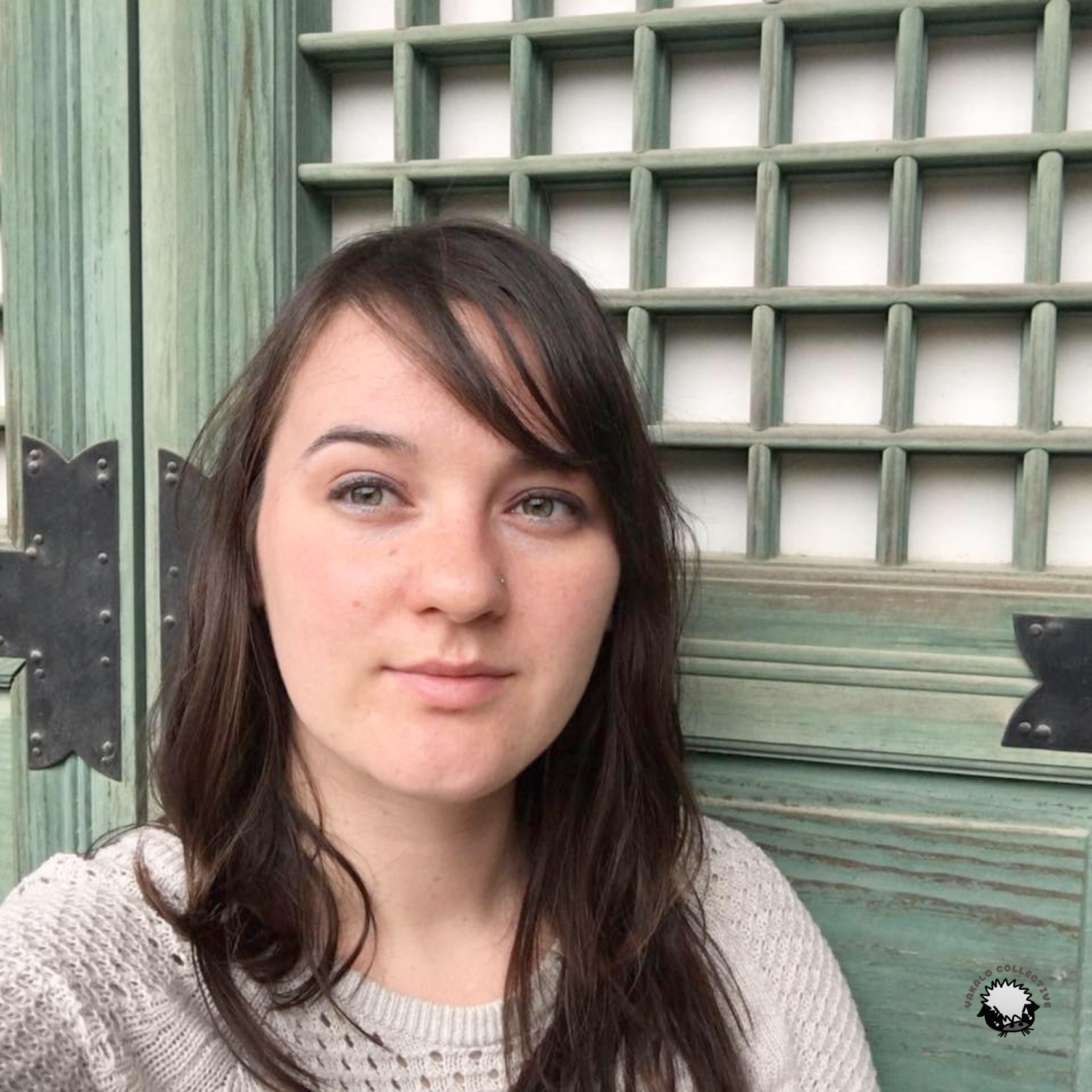
Hello! ¡Hola! こんにちは!안녕하세요! བདེ་མོ། བཀྲ་ཤིས་བདེ་ལེགས། 你好!My name is Nina and I am one of the members of Yakalo Collective behind the scenes and writing many of these blog posts! I am a big language learning fan and like my hellos in many languages it shows my exposure to those languages. Growing up I was a big fan of Japanese Anime and Manga, and so while I did study Spanish in school, I really wanted to learn Japanese and learned a few words here and there. I had no idea what to study going to university so I chose Japanese language and literature at the time and stayed with the program for a year and a half before becoming an anthropology major. I did not settle 100% on my specialization as I graduated university quickly, but almost all my classes were either in cultural or linguistic anthropology.
In university I made my first Korean friend, who later became my roommate and introduced me to Korean dramas and music. I later enrolled in Korean lessons on the weekends at university and eventually studied abroad in South Korea for 6 weeks back in 2006 at Yonsei University. My love of the Korean language did not end there and I returned to live in South Korea as an ESL teacher from 2013-2017. I lived in a rural village in Gangwondo for a year and then lived in Incheon for 3 years. I enrolled in the Korean Integration and Immigration Program 사회통합프로그램 and completed levels 3-5 and received certificates on completion, and took an immigration interview, but never switched my visa to a permanent resident.
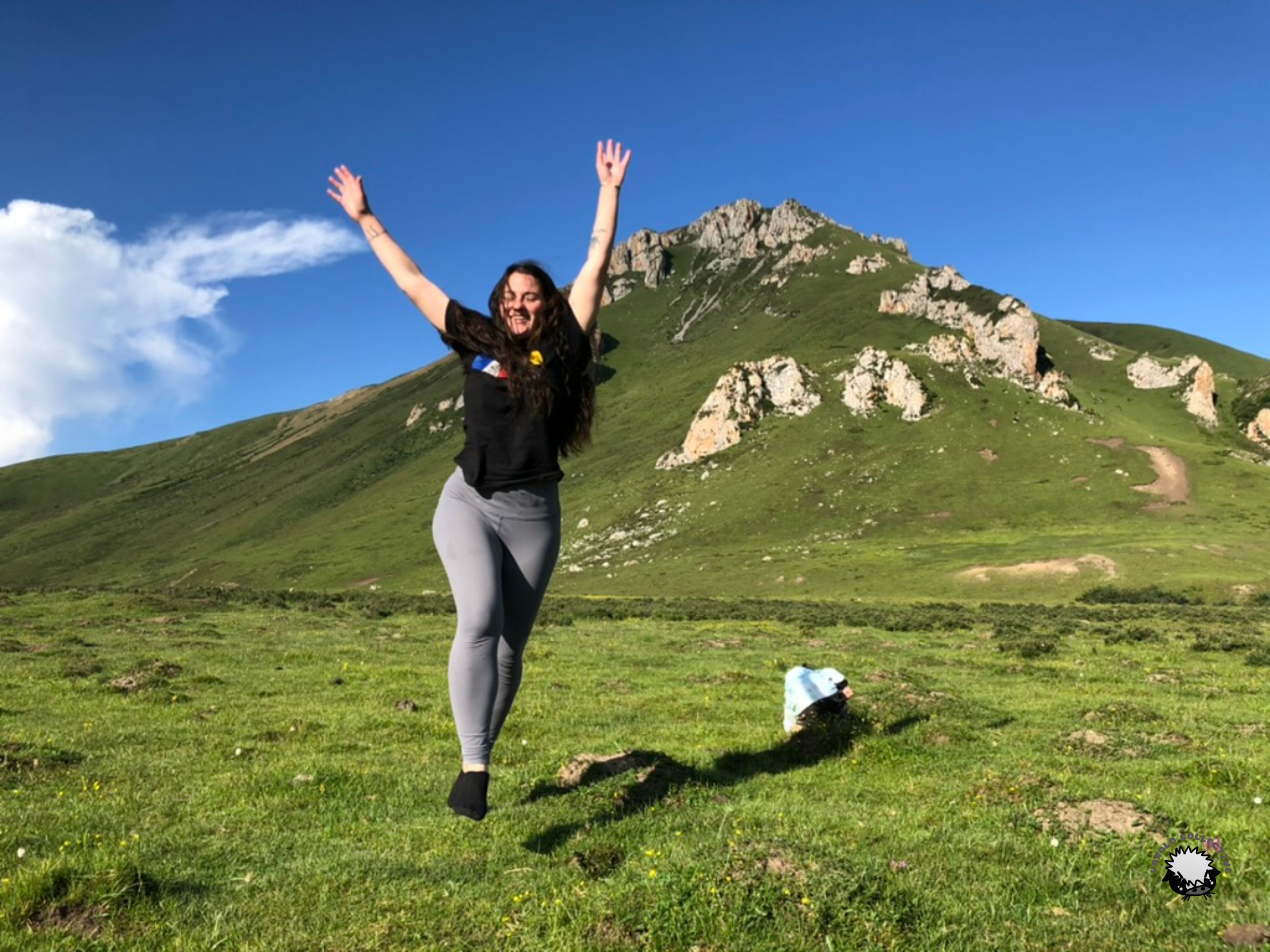
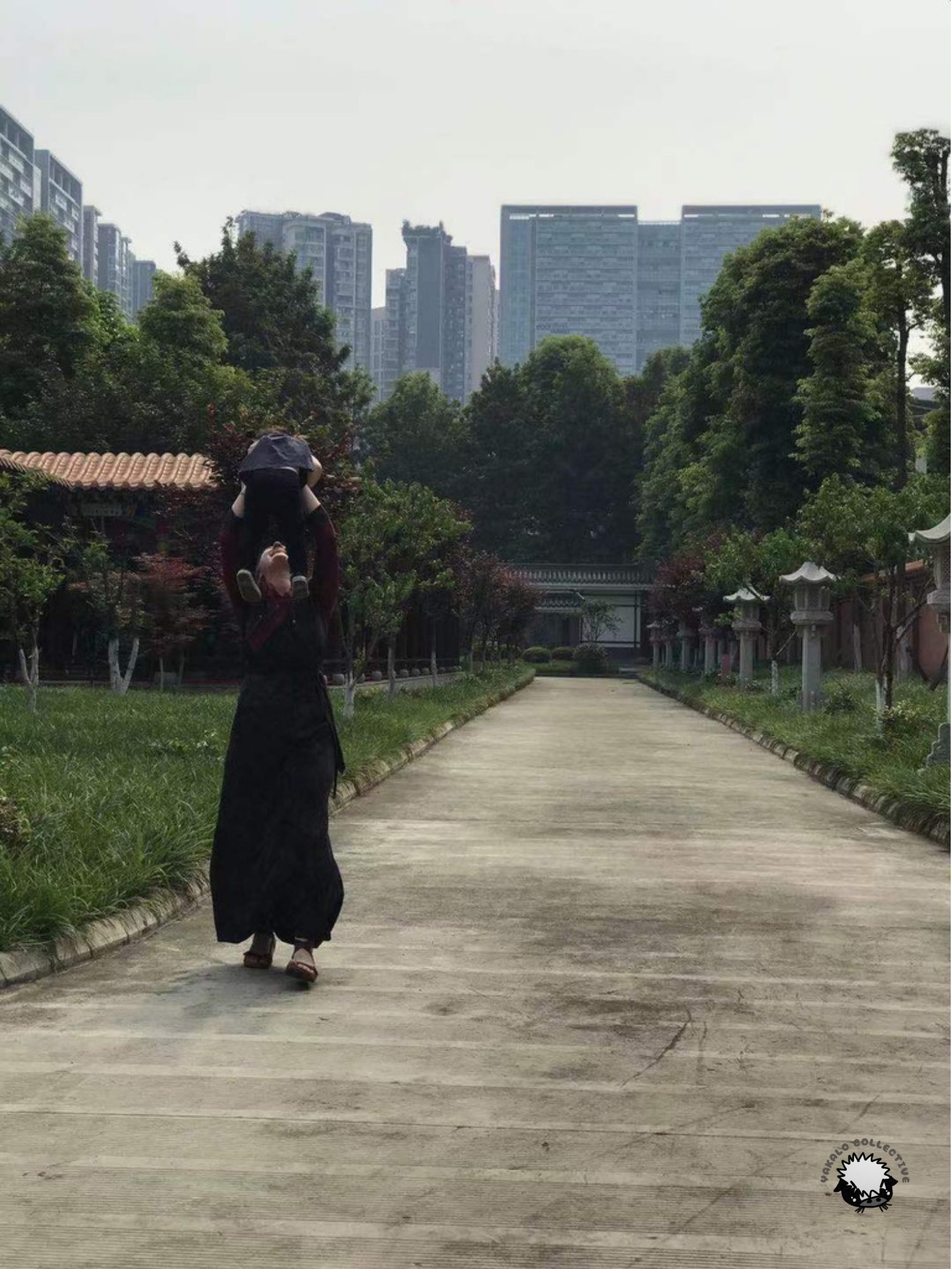
During 2016 I visited parts of Tibet and China on a tour and really thought it might be cool to try living in China for a year. So at the end of 2017, I moved to Chengdu, China and lived there until early 2024. I worked as an ESL teacher again in Chengdu, and it was my first real exposure to the Chinese language. I had heard it here and there before, but never Sichuanhua 四川话。To be honest in 6 years, my Mandarin Chinese is still at the survival level as I met my husband in China and tried to learn his mother tongue, Amdo Tibetan, first. I had been exposed to Tibetan living in the United States as I had Tibetan classmates and have heard the exile dialect over the years, but the Amdo and Kham dialects were very different. The 6 years I spent in China were mostly in Sichuan province where I split my time between Chengdu when I had to work and in my husband’s Tibetan village during my vacations. I’m currently still trying to learn Amdo Tibetan, to help my daughter retain a connection with the paternal side of her family. We are on this language learning adventure together.
When Tracy asked me if I would like to join Dito, I was super excited! All of my life I have always wanted to work for a non-profit and never seemed to have had the chance. Best of all Dito focuses on language learning, interpretation, translation, documentation, and preservation, these are all topics I am interested in when it comes to the languages I am learning, and for other languages around the world.
Dito is an ever evolving project that has opened a new tool for me to use when it comes to uploading, transcribing, and listening to audio recordings in Amdo Tibetan. I believe it will become an indispensable tool in the future for linguists, language learners, and heritage learners.
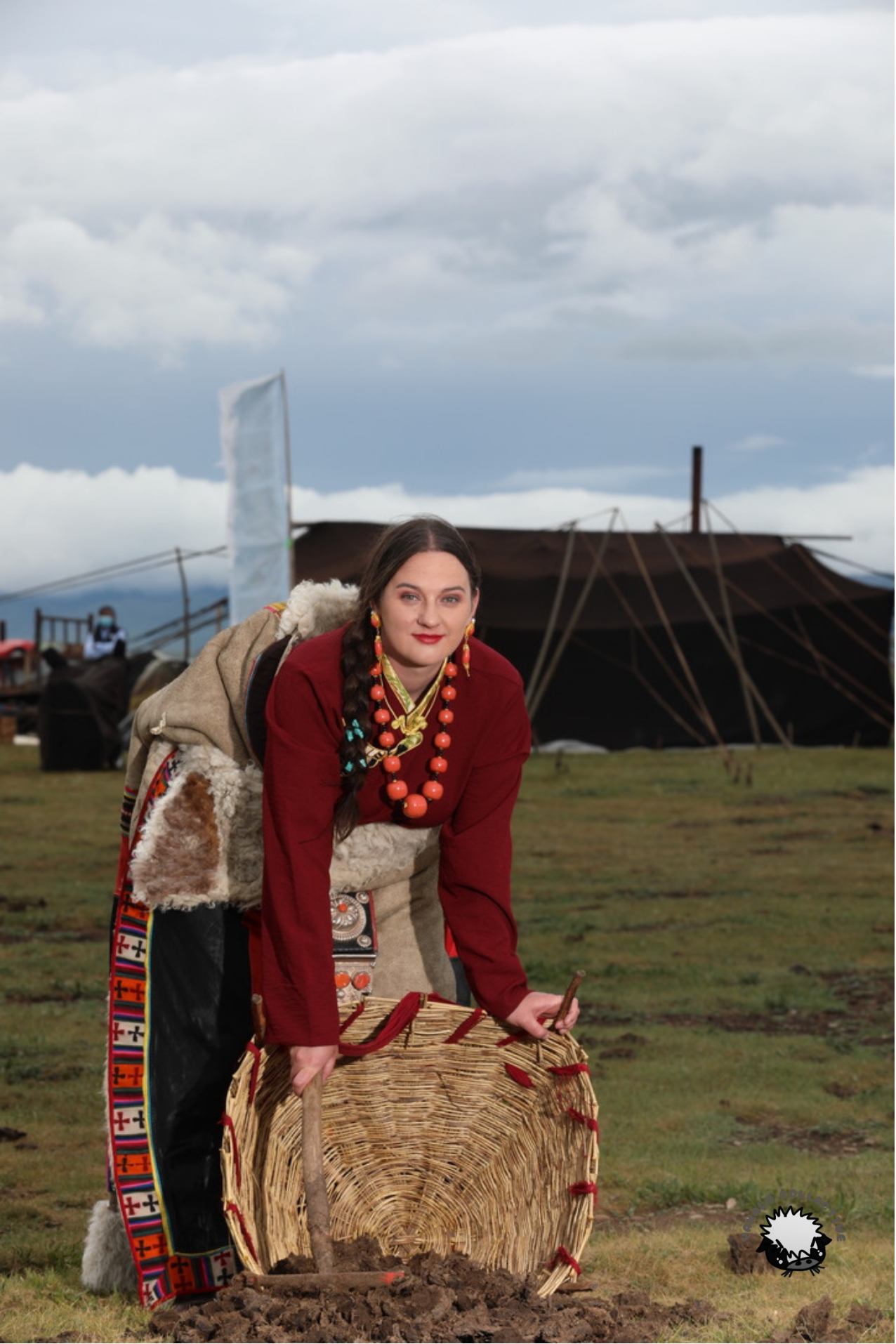
My main interests these days are in language learning mostly focusing on Amdo Tibetan and to a lesser degree Korean. At some point, I hope to add Japanese and Mandarin Chinese back into the mix and improve my skills in these languages as well. I love to travel, learn languages, anthropology, drink coffee, and focus on bilingual education. Currently in my free time I am trying to make small Tibetan-English bilingual resources for my daughter.
You’ll see me adding articles on the blog, please feel free to drop a comment and say hi! We would love to hear from you!

Leave a Reply