Dito began as a proof of concept:
- that there could be a simple way for research teams to collaborate on audio data analysis
- that spoken languages could serve as data without being reduced to their transcriptions
- that people can learn natural languages not limited to their standardized versions
- that language archives can be simple tools that help people learn new languages
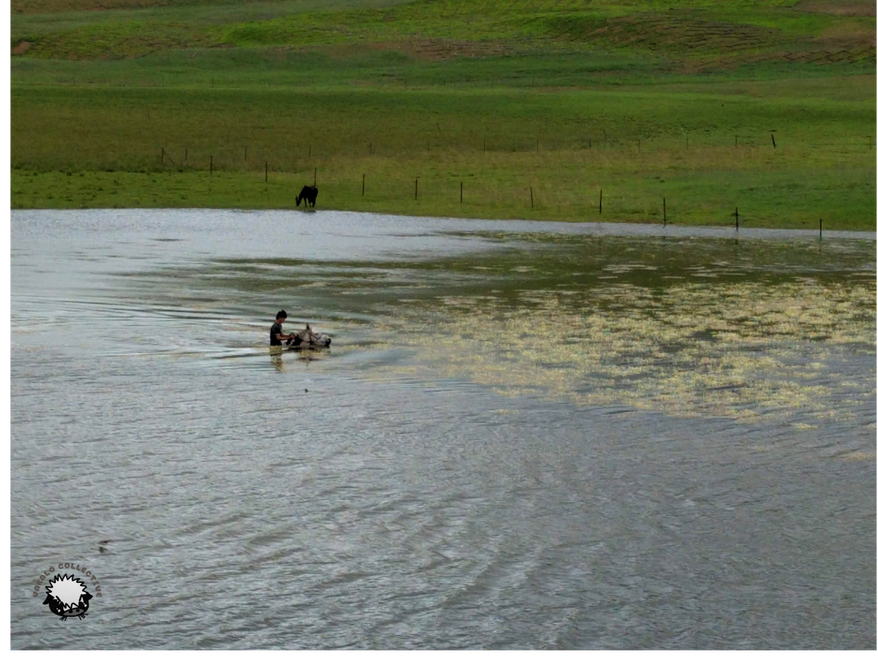
In March and April of 2023, we put our prototype to the test with twelve undergraduate scholars at UC Berkeley, organized into six teams. Their instructions were:
- Create content at yakaloco.dito.live that exemplifies a spoken dialect and worldview. The content should broaden the perspective of users who neither speak that dialect nor share that worldview.
- Carefully consider the location/environment of the recorded speech, the prompts used to elicit it, and presence during recording of other speakers of that dialect and language as you work toward this goal.
- Always proceed only if all participants have willingly given informed consent for public hosting of the content at yakaloco.dito.live.
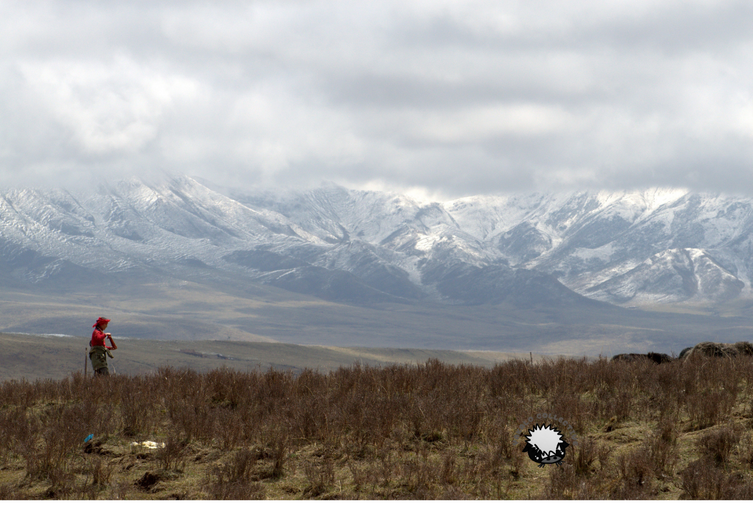
Checking in weekly with Yakalo Collective, the teams came up with six innovative projects.
- Angela and Jack demonstrated how Korean and English can mix together as they told the story of Goldilocks and the Three Bears and provided English, Korean, and Korean and English transcriptions to accompany it. They noted that the project helped them become aware of how they changed their tone and language depending on whether they were speaking to speakers of Korean, English, or both.
- Michael rewrote a Chinese story that he was told as a child and had extended family members record it, each speaking in their own different dialect: Guangdong Cantonese, Beijing Mandarin, and Anyang dialect, respectively. The process helped him learn more about his cultural, geographical, and linguistic heritage.
- Rachel and Natasha retold their experience walking along Strawberry Creek and transcribed it in multiple languages including English and Spanish, demonstrating Dito’s capability of storing hierarchical phrase alignments in their Spanish translation. They also told other stories in Spanish and German–such as a story about German Laternenfest, which they transcribed into English, Spanish, and German–learning in the process how translation between languages is a nuanced and personal experience.
- Aldrin and Artaya told Indonesian folklore stories, including Timun Mas, and created accompanying transcripts for them in Indonesian and English while taking special care not to alter “the key points or meaning of the stories.”
- Jim and Yifan recorded five poems from Chinese literature and transcribed them in English and Chinese, taking care to preserve the context and background information of the texts in translation. They worked with four poems by the 8th century poet Li Bai–including Quiet Night Thought and To Wang Changling on His Banishment to Longbiao–as well as the modern poem, Spring, by Zhu Ziqing. They gained experience in translating meaning and beauty simultaneously between languages and discussed how written Chinese poetry has changed over time.
- Hanny, Dre, and Rameen interviewed Jasmine of the Nusabi community in Spanish and transcribed the interview in three written languages, including Spanish and English. They reflected on the difficulties Indigenous communities face in keeping their languages–such as Mizteco, which Jasmine’s mother speaks–in spoken use.
These six projects demonstrated different creative endeavors that were enabled by Dito’s technology. Each one demonstrates how languages can change and evolve over time–and that Dito keeps up with the diversity of spoken expression around the globe while enabling its users to honor and learn from the past.

Leave a Reply